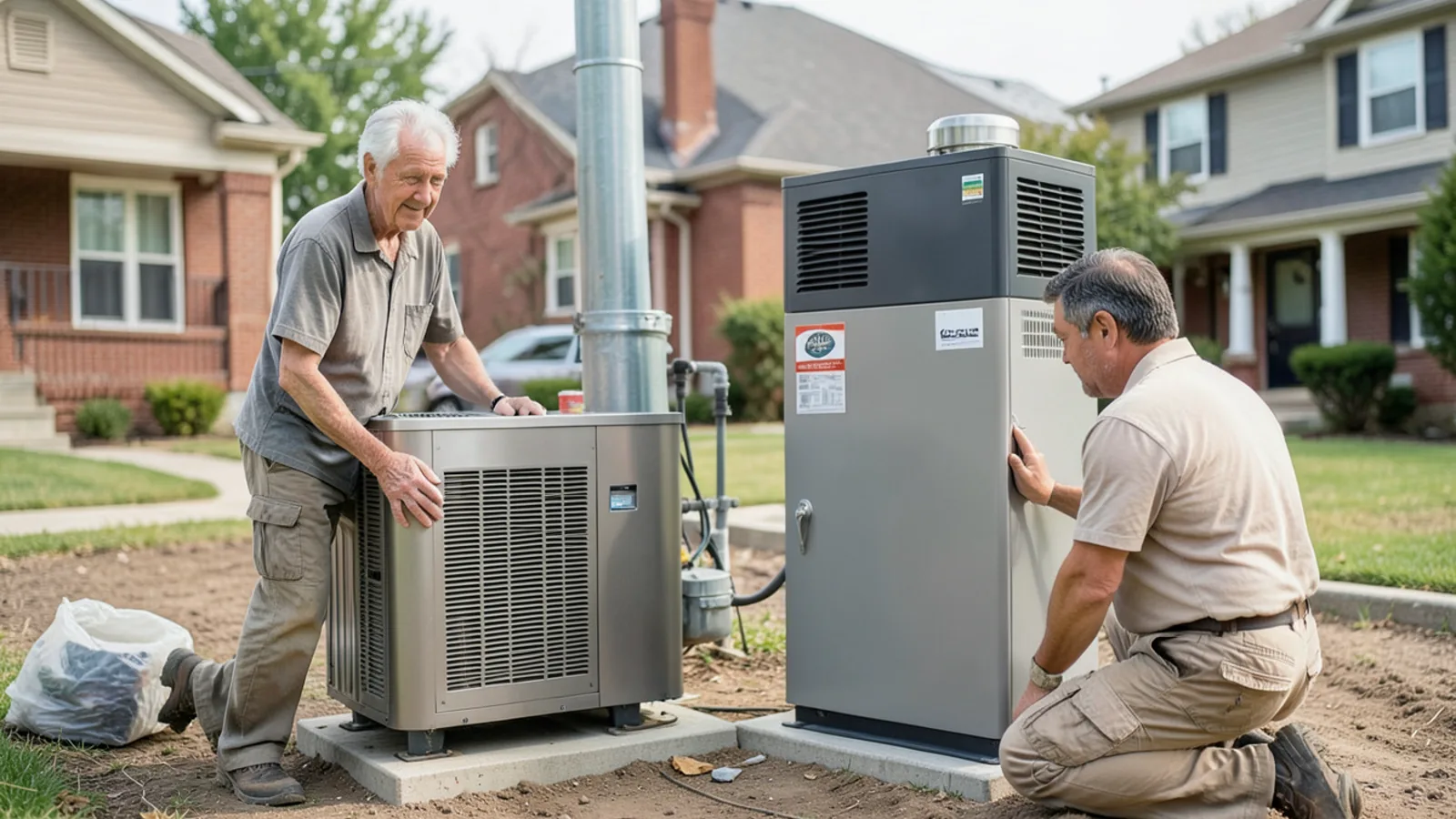
Residential HVAC equipment in Cook and DuPage County operates under one of the most demanding climatic ranges in North America. Design temperatures established by the American Society of Heating, Refrigerating and Air-Conditioning Engineers (ASHRAE) specify a 99% winter heating design temperature of -3°F for the greater Chicago metropolitan area, alongside summer cooling design conditions of 91°F dry bulb and 74°F wet bulb. This extreme spread means residential systems must endure subzero polar vortex conditions that demand continuous peak BTU output, followed months later by intense summer humidity that tests cooling coil moisture extraction and outdoor condenser heat dissipation.
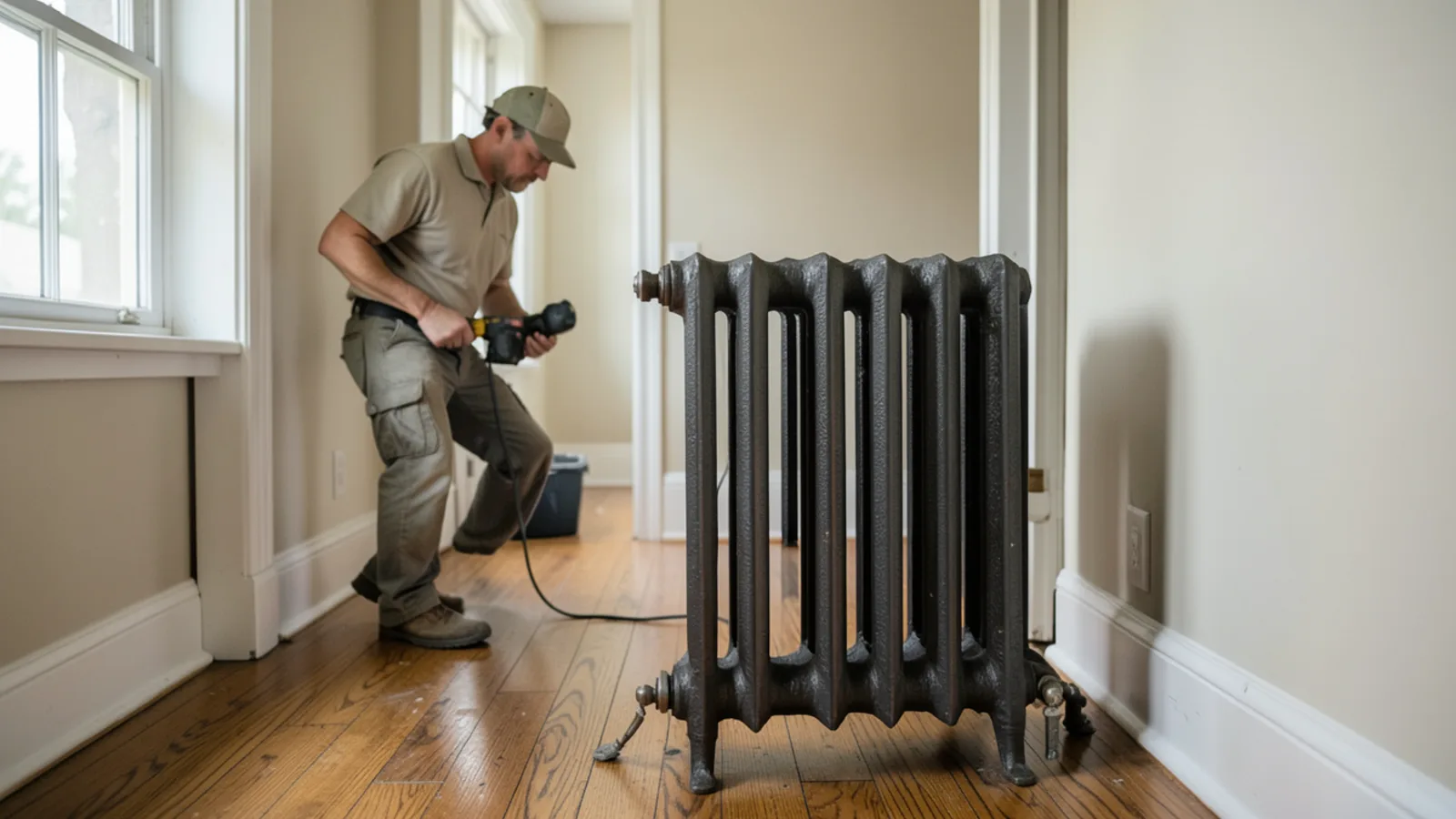
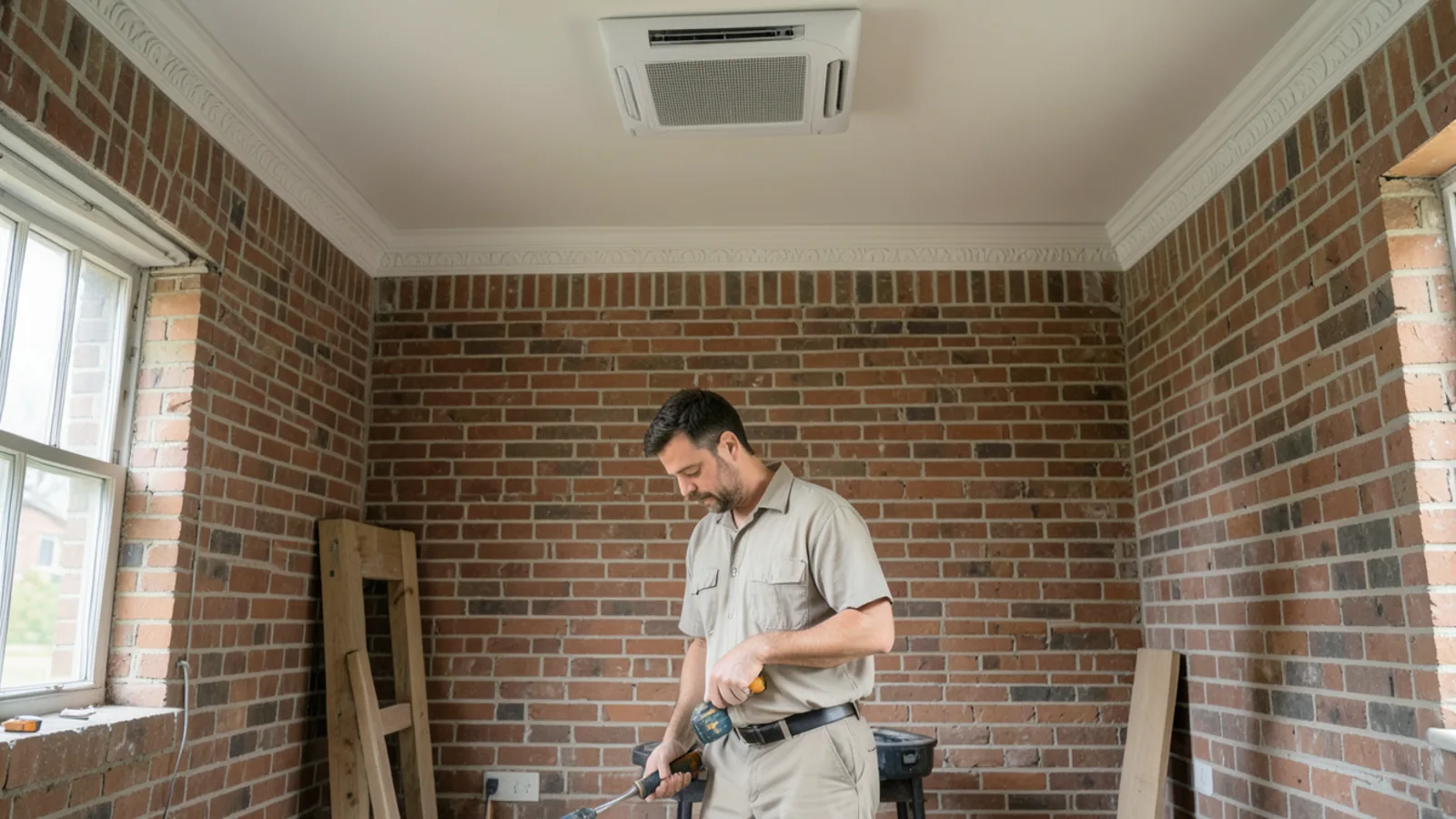
In historic communities such as Hinsdale, Western Springs, and La Grange, residential infrastructure is frequently divided between vintage cast-iron hydronic boiler heating and modern retrofitted split cooling. In contrast, mid-century ranch and split-level homes throughout Westmont, Darien, Downers Grove, and Elk Grove Village depend almost entirely on central forced-air systems. Understanding these structural variations is vital when diagnosing chronic heating imbalances, selecting between high-velocity mini-duct systems versus multi-zone ductless mini-splits, or calculating airflow static pressure.
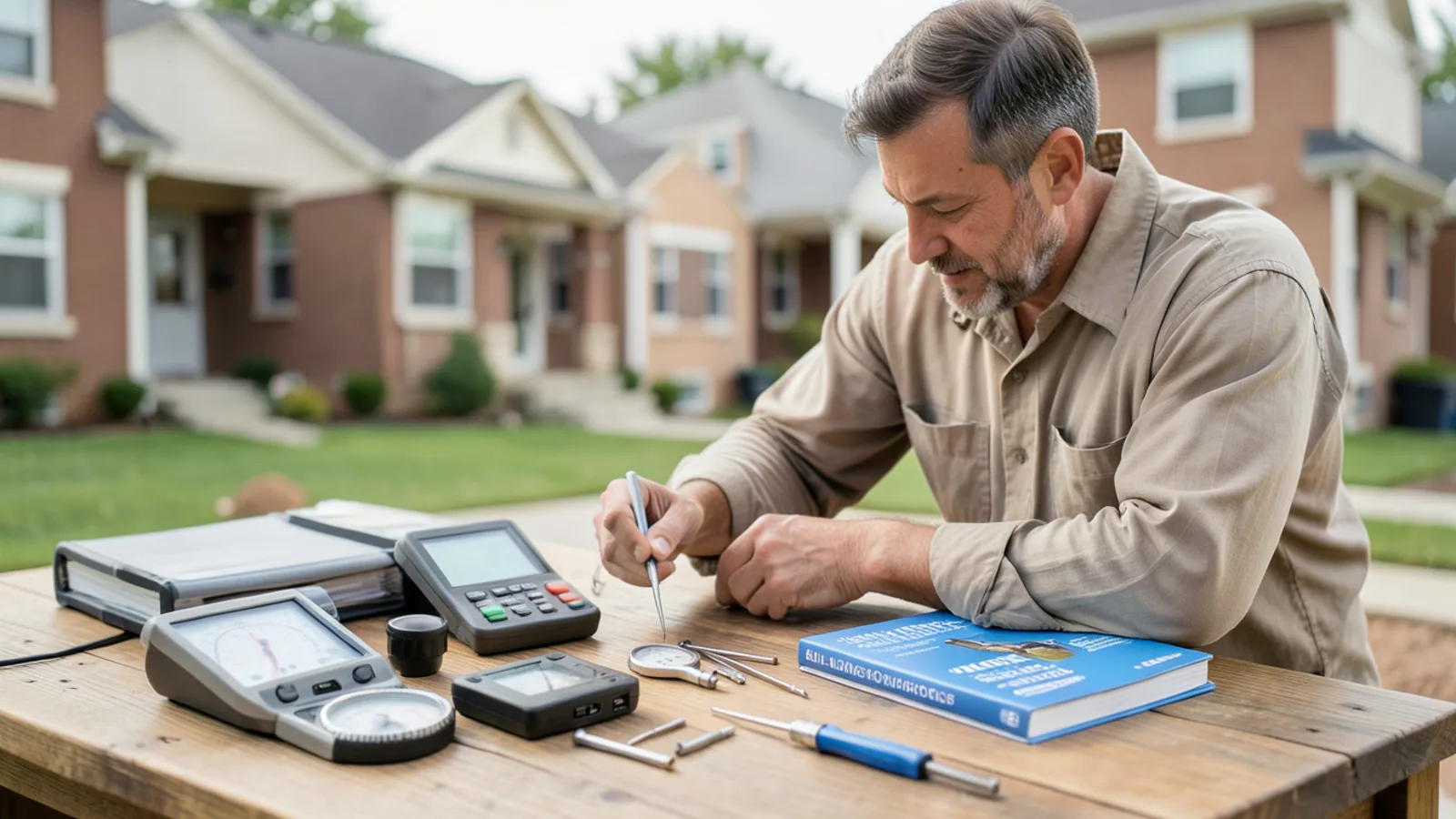
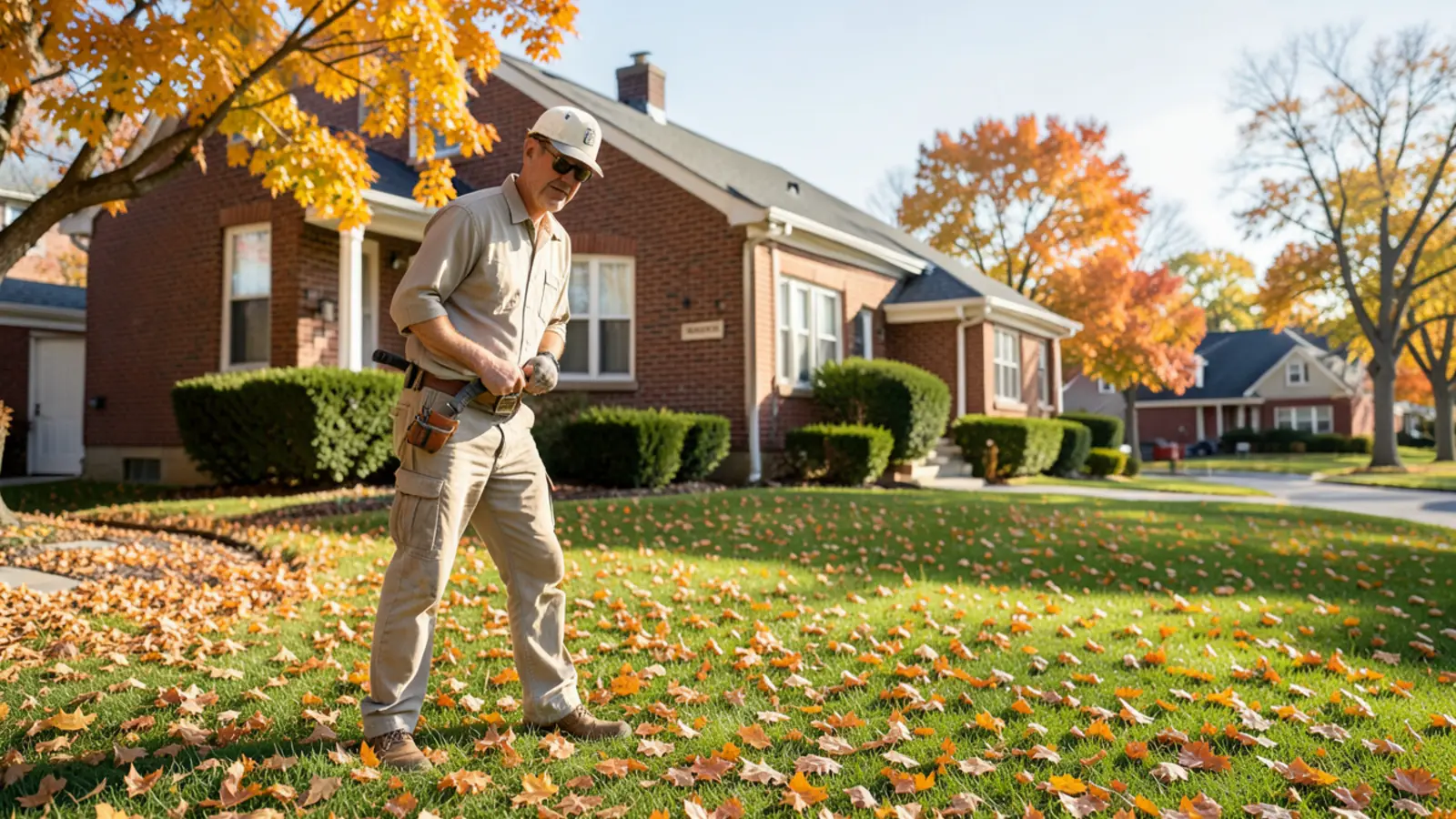
Routine preventative maintenance schedules are essential to counteract Midwestern weather extremes. Autumn service protocols focus on combustion analysis, flame rectification current testing, and heat exchanger crack detection before continuous subzero heating demands begin. In spring, attention transitions to clearing winter cottonwood seed accumulation from outdoor condenser fins, testing motor run capacitors, and measuring refrigerant superheat or subcooling to guarantee efficient dehumidification during humid July and August heatwaves.
Our technical guides are developed to provide actionable, evidence-based clarity for suburban homeowners. Whether you are troubleshooting an unexpected furnace lockout during subzero weather, assessing whether to repair or replace an aging 80% AFUE heating unit, evaluating Nicor Gas and ComEd energy efficiency rebates, or preparing radiators for seasonal heating transitions, our articles translate complex mechanical principles and Illinois energy codes into clear, practical decisions.