
Fall Furnace Checklist for Chicago West Suburb Homes

Completing essential fall furnace maintenance before the first freeze in October or November prevents up to 75% of winter no-heat emergencies: replace disposable air filters, clean and test flame sensors, verify carbon monoxide detectors, clear outdoor PVC intake and exhaust pipes of falling leaves, test your thermostat call for heat, and schedule an annual professional combustion and electrical inspection.
October in the western suburbs brings crisp autumn mornings, vibrant oak foliage, and the looming promise of freezing Midwestern winter cold. Waiting until the first subzero freeze to discover your furnace is non-responsive puts your family at the back of a very long service queue. A systematic autumn maintenance routine ensures your heating equipment fires cleanly, operates at peak fuel efficiency, and protects your home against carbon monoxide risks. Here is your essential homeowner fall furnace checklist.
Call our Hinsdale dispatch line to connect with an independent heating or cooling contractor serving your west suburb today.
Step 1: Replace or Clean Air Filters
After running your air conditioning continuously through a humid Illinois summer, your indoor air filter is almost certainly packed with pet dander, drywall dust, and summer pollen. A choked filter restricts air entering the furnace heat exchanger, which causes high-limit switches to trip and stresses the blower motor. Replace 1-inch fiberglass or pleated filters every 30 to 60 days, and inspect 4-inch to 5-inch media filter cabinets every 6 months.
Step 2: Inspect Exterior Flue Vents & Clear Autumn Leaves
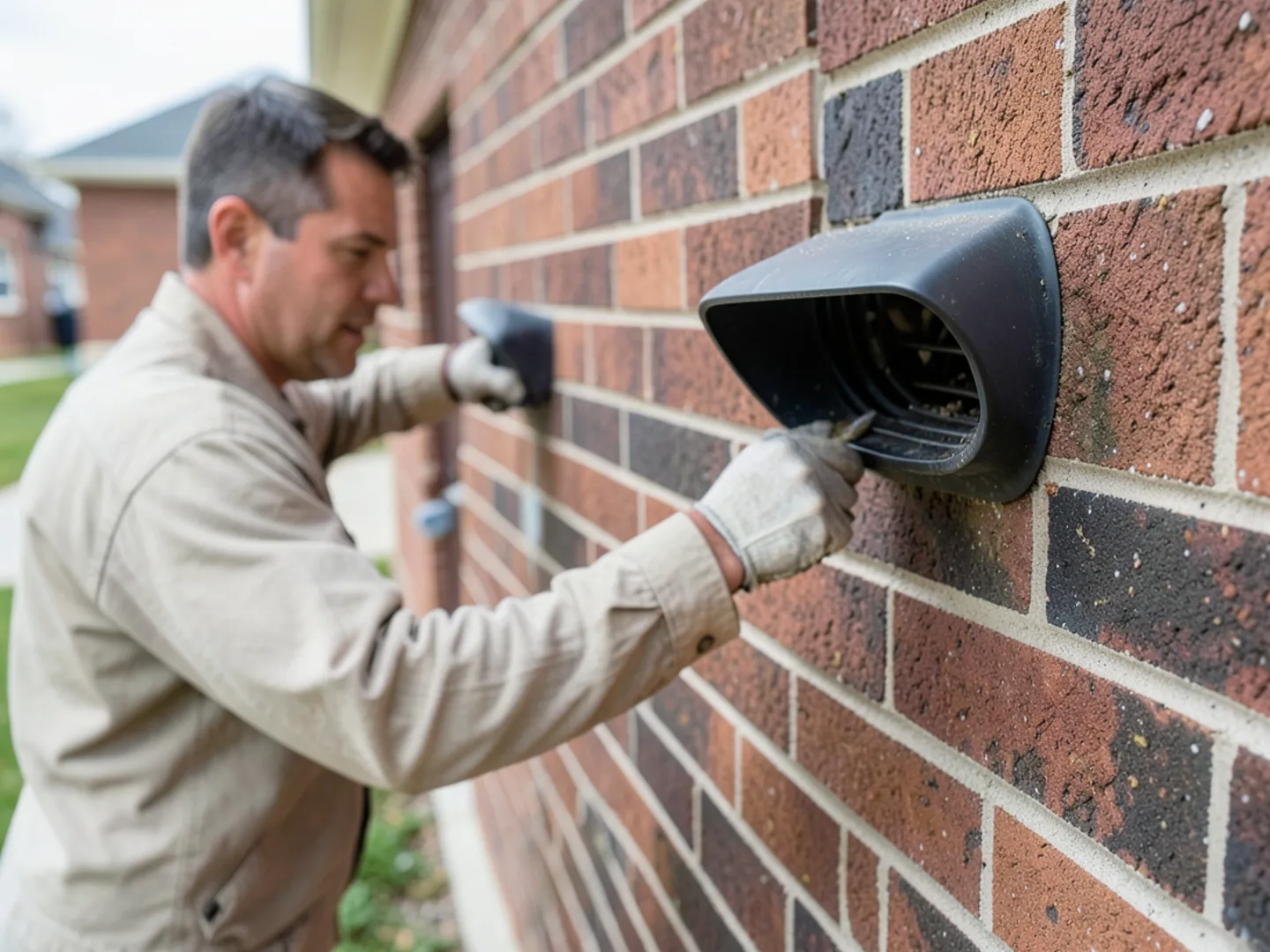
Modern 90%+ high-efficiency condensing furnaces vent through white PVC pipes exiting through the side of your home. During October and November, falling leaves, twigs, and nesting rodents frequently enter or obstruct these intake and exhaust pipes. If the intake or exhaust is even partially blocked, the furnace vacuum pressure switch will detect insufficient draft and shut down the burners. Ensure exterior vent terminations maintain at least 12 inches of open clearance.
Step 3: Conduct a Test Run Before Freezing Temperatures Arrive
Never wait until a freezing November night to turn on your furnace for the first time. On a mild 50°F October evening, switch your thermostat from "COOL" to "HEAT" and set the temperature 3°F above the room. Observe the complete sequence: the inducer motor should run for 15 seconds, followed by ignitor glow, burner ignition, and blower startup after 30 to 45 seconds. Let it run for 15 minutes to confirm warm air delivery.
- ✓Listen for smooth burner ignition without loud banging or delayed whooshing sounds.
- ✓Verify that air coming from registers across all rooms feels consistently warm.
- ✓Expect a mild burning-dust smell for the first 15 minutes as summer dust burns off the heat exchanger—this is normal and should clear quickly.
- ✓Verify that your thermostat turns off the burners once your test setpoint is reached.
Step 4: Humidifier & Indoor Air Quality Prep
Chicagoland winter air is notoriously dry, dropping indoor relative humidity below 20% if left untreated. Dry air accelerates static electricity, dries out nasal passages, and causes historic hardwood floors and door trim to shrink and crack. Inspect your furnace bypass humidifier: replace the mineral-encrusted water panel evaporator pad, open the seasonal duct damper to the "WINTER" position, and test the humidistat to verify water flows through the solenoid valve.
Step 5: Professional Combustion Safety & Electrical Tune-Up
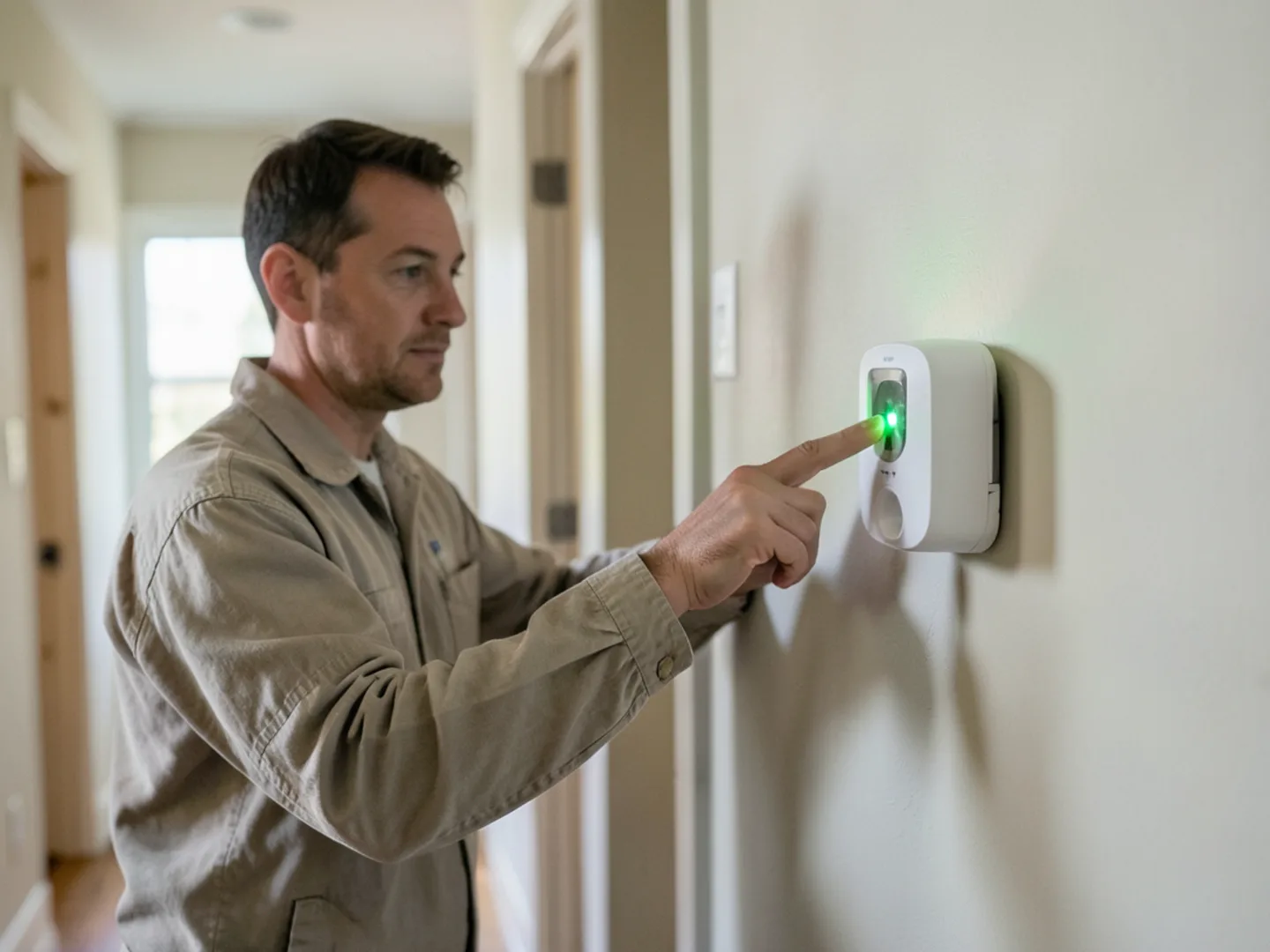
While homeowners can perform basic filter changes and visual checks, critical life-safety inspections require professional instruments. A certified technician uses digital flue gas combustion analyzers to measure oxygen percentages, stack temperature (120°F to 140°F on condensing furnaces), and verify that carbon monoxide levels remain well below 100 ppm air-free. Technicians also test dual run capacitor microfarad tolerances (+/- 5% of manufacturer rating), inspect the inducer blower motor for bearing play, verify draft pressure switch cut-in points with a digital manometer, and polish the flame rectification sensor to eliminate microamp resistance (ensuring a steady 1.5 to 5.0 microamp DC flame current). These precision calibrations ensure uninterrupted heating when temperatures drop below zero.
| Maintenance Scope | DIY Homeowner Action | Professional Certified Procedure |
|---|---|---|
| Air Filtration | Replace 1-inch to 4-inch pleated filters every 30 to 90 days | Measure external static pressure across coil with digital manometer |
| Flue & Venting | Clear leaves, twigs, and snow drifts from exterior PVC terminals | Inspect draft inducer motor draft and test vacuum pressure switch cut-in |
| Ignition & Safety | Test thermostat heat call and confirm smooth burner lighting | Clean flame sensor rod, measure microamps, and check limit switch cutoff |
| Combustion Chamber | Visual check through burner viewport for uniform blue flame | Digital flue gas analysis for O2%, CO ppm, and heat exchanger crack dye test |
| Blower & Electrical | Clear return air grilles and vacuum dust from furnace vestibule | Test motor run capacitor microfarads, amp draw, and tighten electrical lugs |
📚Sources & Technical References
- Fall HVAC Maintenance Standards— Seasonal maintenance protocols and combustion tuningAir Conditioning Contractors of America (ACCA)
- Indoor Humidity & Respiratory Health— Winter relative humidity recommendations (35% to 45%)American Society of Heating, Refrigerating and A-C Engineers (ASHRAE 55)
- Gas Appliance Venting Clearances— Exterior termination clearances and obstruction preventionNFPA 54 National Fuel Gas Code
Frequently Asked Questions
Early to mid-autumn (late September through October) is ideal. Scheduling before the first sustained freeze ensures your heating system is certified safe before high-demand winter emergencies begin.
Published by the Quality Heat and Air dispatch desk in Hinsdale, IL. Content is compiled from field diagnostics across Cook and DuPage counties, adhering to ACCA Manual J/S/D sizing criteria, Nicor Gas and ComEd energy efficiency guidelines, and local municipal mechanical codes.