
Cold Radiators in an Older Hinsdale-Area Home: Boiler Problems Explained
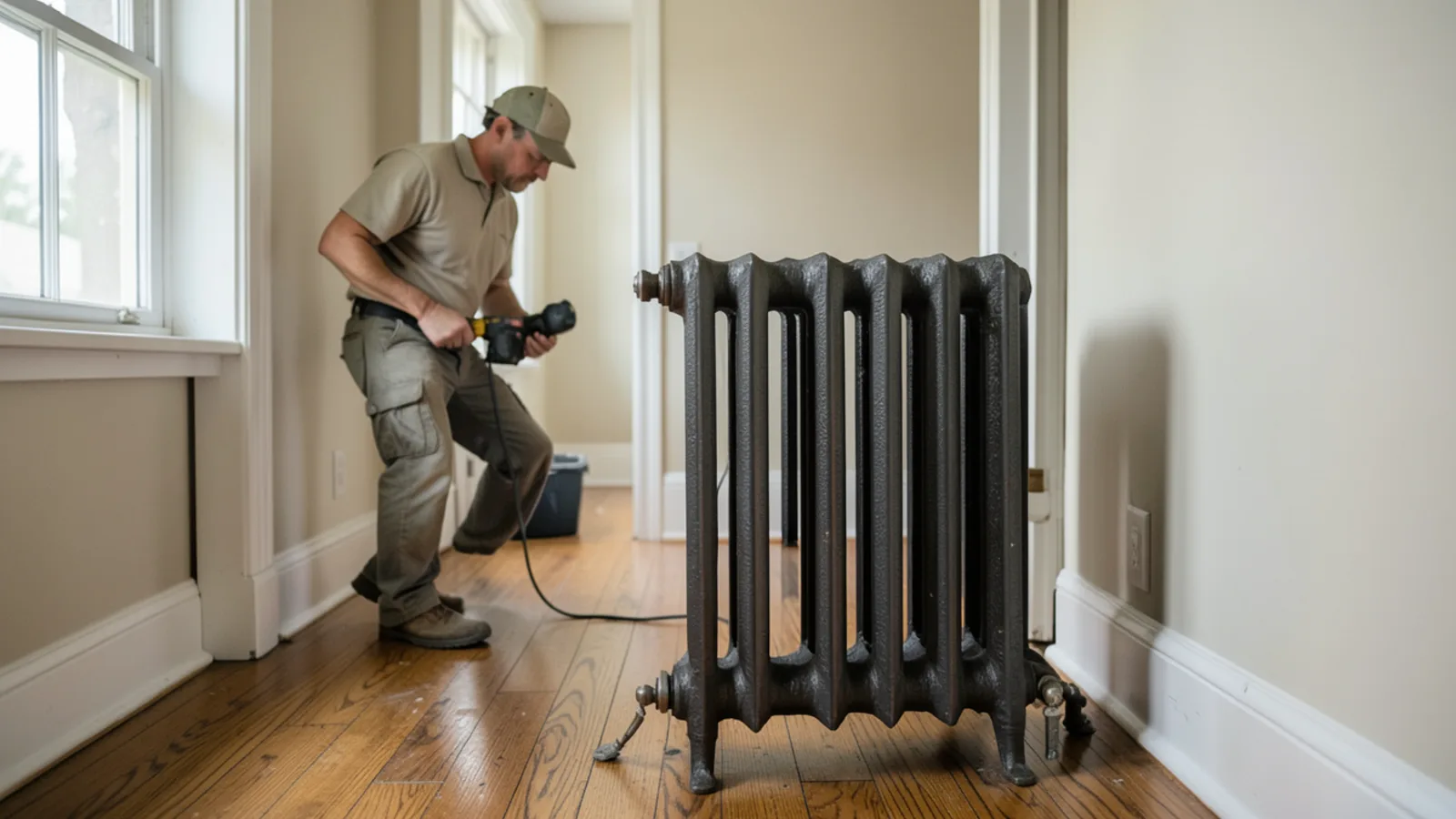
When cast-iron radiators remain cold in a boiler-heated home, the most common cause is trapped air (an airlock) filling the top of the radiator and blocking hot water circulation. Other frequent culprits include a failing zone valve actuator motor, a seized circulator pump that hums without turning, low boiler water pressure below 12 PSI, or a waterlogged expansion tank causing erratic pressure relief discharge.
The historic residential avenues of Hinsdale, Western Springs, and La Grange feature some of Illinois’ most beautiful historic architecture. Beneath the decorative radiator covers in these homes lies a hydronic heating system engineered to circulate hot water or steam silently through cast-iron coils. But when cold weather strikes and certain radiators remain stone cold—especially on the second or third floor—homeowners are often left puzzled. Unlike forced-air furnaces with noisy duct fans, boilers depend on hydrostatic balance, buoyancy, and precision valving. Here is why radiators go cold and how hydronic technicians solve the problem.
Call our Hinsdale dispatch line to connect with an independent heating or cooling contractor serving your west suburb today.
Cause 1: Airlocks & Bleeding Trapped Air from Cast-Iron Radiators
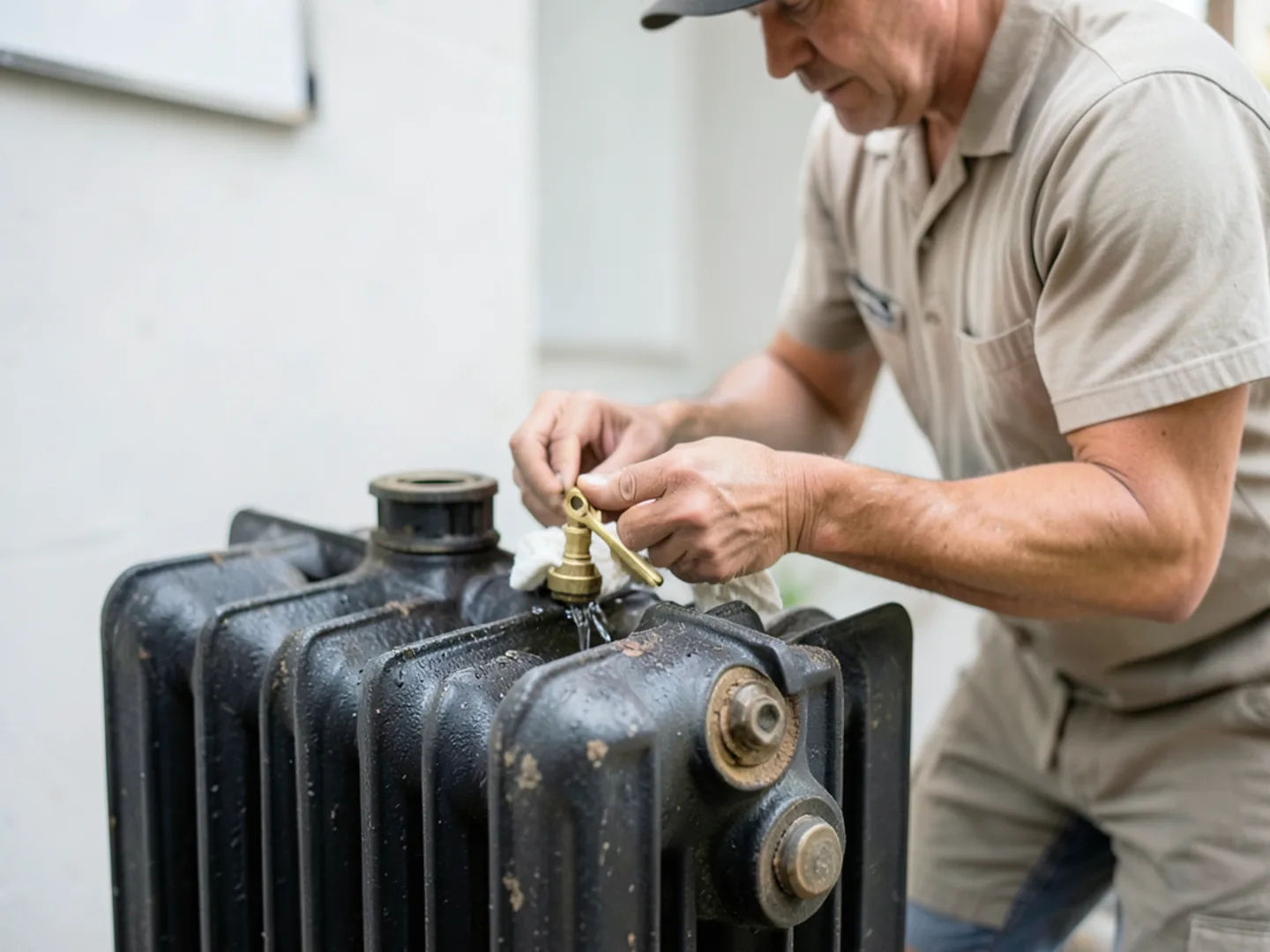
In hot-water hydronic systems, water naturally contains dissolved air and gases. As water is heated inside the boiler, micro-bubbles form and rise to the highest physical points in the piping loop—typically the tops of second-floor or attic radiators. Over weeks of operation, a pocket of air accumulates inside the radiator casting, creating a physical dam that prevents hot water from circulating. The bottom of the radiator may feel lukewarm, while the top and far fins remain ice cold.
- ✓Locate the small air bleed valve (air vent) on the upper side of the cold radiator.
- ✓Hold a small cup and a rag beneath the vent nozzle.
- ✓Insert a brass radiator key or flathead screwdriver and turn slowly counterclockwise (about 1/4 to 1/2 turn).
- ✓Listen for the hissing sound of escaping air. When a steady stream of water trickles out without sputtering air, close the valve snugly.
- ✓Check the boiler pressure gauge in your basement afterward to confirm pressure has not dropped below 12 PSI.
Cause 2: Steam vs. Hot Water: Understanding Your System Type
Troubleshooting requires knowing whether your boiler circulates hot water or low-pressure steam. Steam systems feature a single pipe or two pipes connected to radiators fitted with a distinct bullet-shaped brass air vent that hisses as steam pushes air out of the room. If a steam radiator is cold, the brass air vent may be clogged with mineral scale, trapped closed by internal corrosion, or the hand supply valve may be partially shut (steam valves must be 100% OPEN or 100% CLOSED—never throttled).
| Diagnostic Factor | Hot Water (Hydronic) System | Steam Heating System |
|---|---|---|
| Normal Operating Pressure | 12 to 18 PSI on pressure gauge | 0.5 to 2.0 PSI on low-pressure gauge |
| Venting Mechanism | Manual key-operated bleeder valve | Automatic thermostatic brass bullet vent |
| Circulation Method | Electrically powered circulator pump | Thermal gravity expansion of steam vapor |
| Cold Radiator Fix | Bleed airlock with key; purge loop | Replace clogged bullet vent; adjust pipe pitch |
| Valve Position Rule | Can be modulated or zoned with valves | Must be 100% fully open or fully shut |
Cause 3: Circulator Pump Failure or Motor Seizure
In modern hot water boilers, an electric circulator pump forces water through closed copper or iron loops. If the boiler fires up and reaches its target temperature (e.g., 180°F on the aquastat), but ALL radiators in a specific zone stay cold, the circulator pump has likely failed. A technician places a hand or stethoscope on the pump housing: if the motor feels hot and hums without vibration, the internal impeller may be seized by magnetite sludge, or the start capacitor may have failed.
Cause 4: Zone Valve Motor Actuator Burnout
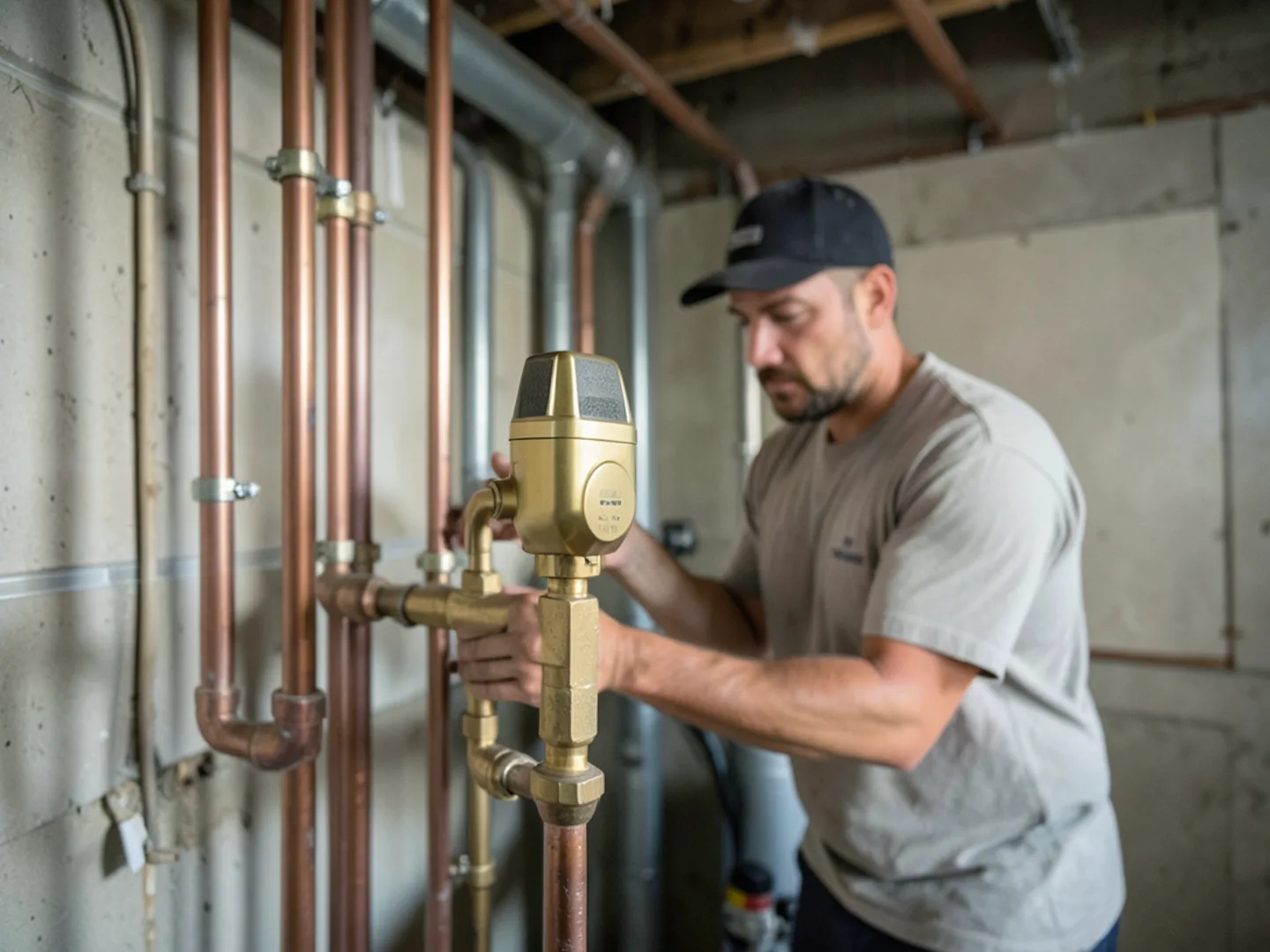
Homes divided into multiple heating zones utilize motorized zone valves (often Taco or Honeywell brand) on the boiler manifold. When your upstairs thermostat calls for heat, it sends 24 volts to the zone valve motor, which slowly opens a brass ball valve and then triggers an internal end-switch to fire the boiler. If the small motor actuator burns out, the valve stays closed, leaving that entire living zone cold while other areas heat normally.
Cause 5: Low Boiler Water Pressure & Expansion Tank Failure
A hot water boiler requires sufficient static water pressure to lift water to upper floors—roughly 0.43 PSI per foot of elevation. For a standard two-story Hinsdale home, the boiler must maintain 12 to 15 PSI cold. If an automatic water feed valve clogs or a leak develops, pressure can drop below 10 PSI, leaving top-floor radiators completely starved of water. Conversely, if an expansion tank becomes waterlogged, pressure will spike to 30 PSI, dumping water from the safety relief valve.
📚Sources & Technical References
- Hydronic Radiant Heating Design Manual— Static head pressure, expansion tank sizing, and loop velocityHydronics Industry Alliance (HIA)
- Steam Heating Fundamentals— Steam trap operation, pitch alignment, and air ventingThe Lost Art of Steam Heating by Dan Holohan
- Boiler Safety & Pressure Standards— Safety relief valve discharge and expansion vessel limitsAmerican Society of Mechanical Engineers (ASME BPVC Section IV)
Frequently Asked Questions
If the boiler is running and the pipes entering the radiator are hot, but the top or far end of the radiator casting remains cold to the touch, trapped air is preventing water circulation and the radiator must be bled.
Published by the Quality Heat and Air dispatch desk in Hinsdale, IL. Content is compiled from field diagnostics across Cook and DuPage counties, adhering to ACCA Manual J/S/D sizing criteria, Nicor Gas and ComEd energy efficiency guidelines, and local municipal mechanical codes.