No Heat in Subzero Cold: What to Do Until Help Arrives
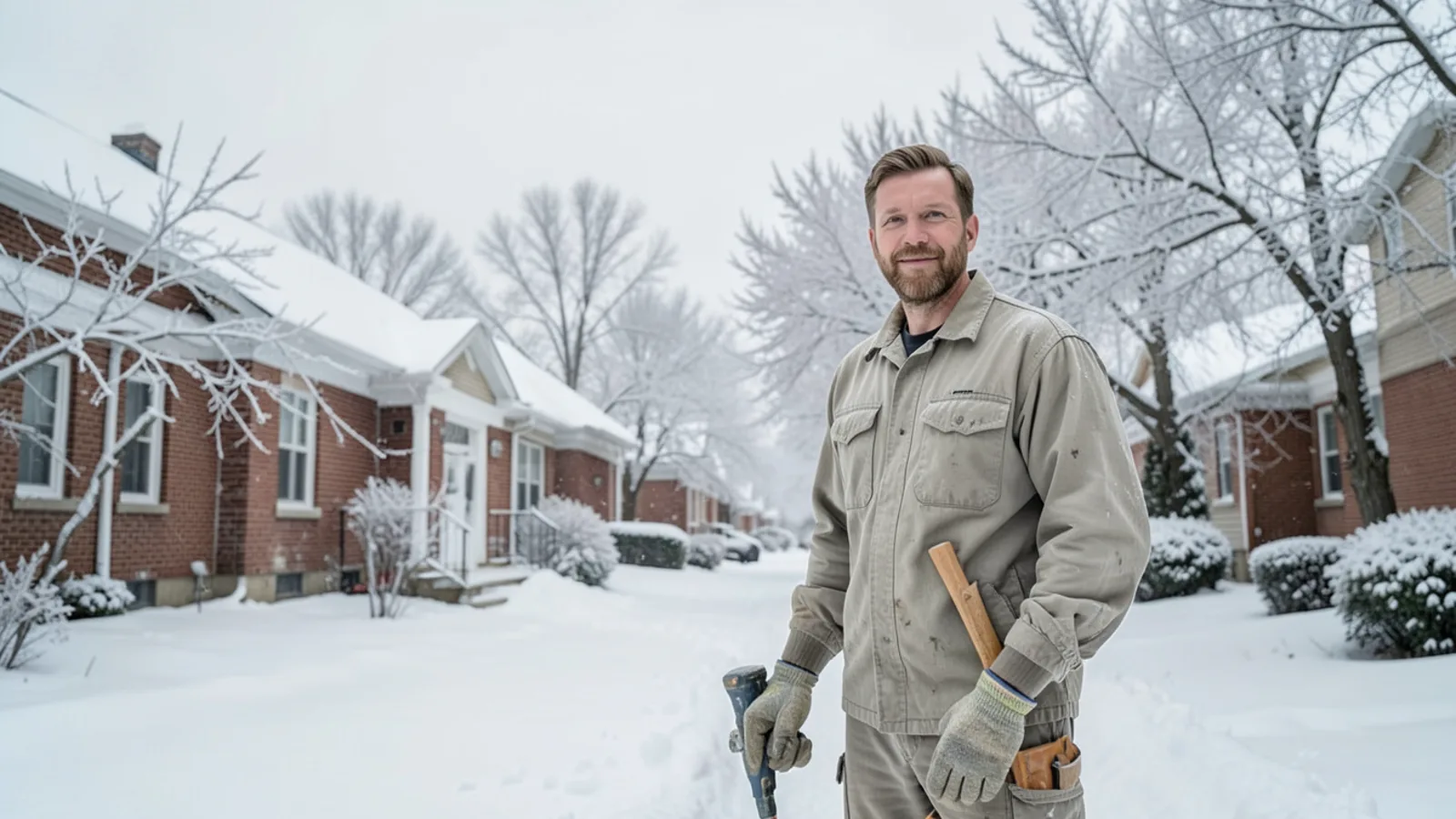
When your furnace or boiler fails during subzero temperatures in Chicagoland, immediately prioritize safety: verify there is no natural gas odor, confirm your thermostat has working batteries and is set to "Heat," check that the furnace emergency shutoff switch is turned "ON," close off unused rooms to conserve heat, open sink vanity doors, and let cold water faucets drip at a pencil-lead trickle to prevent burst pipes while an emergency HVAC technician is dispatched.
During a Chicago polar vortex, outdoor temperatures can drop below -15°F with wind chills dipping past -30°F. When your home heating system abruptly shuts down during an extreme freeze, indoor temperatures drop at an alarming rate—often falling 2°F to 4°F per hour depending on your home’s insulation envelope. In subzero conditions, no-heat is an urgent safety hazard that threatens domestic water pipes with freeze-bursts and creates acute health risks. Here is your step-by-step emergency protocol to stay safe, protect your property, and troubleshoot basic switches while waiting for professional service.
Call our Hinsdale dispatch line to connect with an independent heating or cooling contractor serving your west suburb today.
Step 1: Immediate Safety Screening (Gas Smells & Carbon Monoxide)
Before troubleshooting any mechanical components, ensure the immediate environment is safe. If you smell natural gas (a distinct rotten-egg or sulfur odor) or if your carbon monoxide detector sounds, DO NOT attempt to restart the furnace, flip light switches, or light candles. Evacuate everyone from the house immediately and dial 911 along with the Nicor Gas emergency line (888-642-6748) from your vehicle or a neighbor’s home. If there is no smell of gas and your CO alarm is quiet, proceed with basic mechanical checks.
Step 2: 4 Safe Mechanical Checks Before Calling Service
Homeowners frequently discover that a simple switch or filter is responsible for an unexpected heating shutdown. Check these four items before assuming catastrophic failure:
- ✓Thermostat Power: Ensure the display is active. If the screen is blank, replace the AA or AAA batteries behind the faceplate. Confirm the setting is switched to "HEAT" and the setpoint is at least 3°F above current room temperature.
- ✓Emergency Power Switch: Modern gas furnaces and boilers are wired through an emergency power switch—frequently a standard wall switch with a red cover plate located at the top of the basement stairs or directly on the furnace cabinet. Ensure this switch was not accidentally bumped to "OFF."
- ✓Circuit Breakers: Check your main electrical panel for a tripped single-pole breaker labeled "Furnace," "Boiler," or "Heat." Reset it firmly to OFF, then ON, once only.
- ✓Air Filter Blockage: Pull out your furnace air filter. A severely dust-choked filter restricts airflow, causing the heat exchanger to overheat within minutes and triggering the high-limit safety cutoff switch.
Step 3: Protecting Your Plumbing from Freezing
When heating fails in subzero weather, protecting your domestic water pipes is your most critical task. A burst water pipe causes thousands of dollars in water damage within minutes once the house begins to thaw. Take these proactive plumbing precautions immediately:
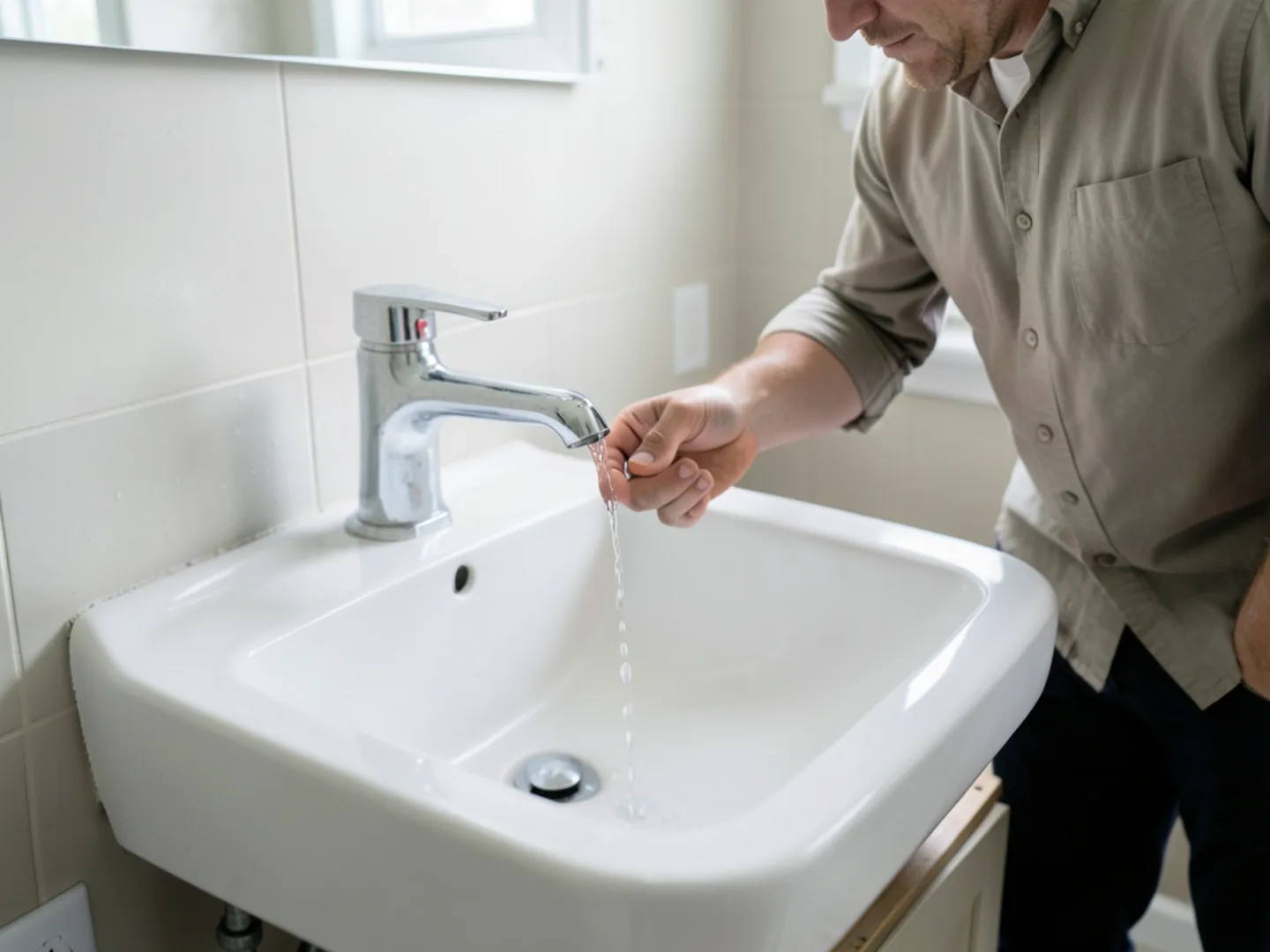
- ✓Faucet Drip: Turn on cold water faucets throughout the house—especially those situated along exterior walls—so they run in a slow, steady trickle (about the width of a pencil lead). Flowing water resists freezing.
- ✓Open Vanity Doors: Open kitchen cabinet and bathroom vanity doors beneath sinks to let what warm air remains circulate around exposed copper or PEX water supply lines and drain traps.
- ✓Interior Doors: Keep interior doors open between heated rooms, but close doors to unheated closets, laundry rooms, and basements to concentrate warmth in primary living areas.
Step 4: Safe Indoor Heat Preservation & Space Heaters
Preserving existing room heat will keep living areas tenable while an emergency technician is en route. If using supplemental electric space heaters, place them on level, hard flooring at least 3 feet away from drapes, blankets, and furniture. Plug electric heaters directly into wall outlets, never into extension cords or power strips. NEVER use a gas kitchen stove, oven, propane camp heater, or charcoal grill to heat your home—these create lethal levels of carbon monoxide within enclosed spaces.
| Safety Action | Do This | Never Do This |
|---|---|---|
| Space Heating | Use UL-listed electric ceramic heaters with tip-over shutoff | Never use gas ovens, stoves, or unvented propane heaters |
| Pipe Protection | Leave faucets dripping and open sink cabinet doors | Never apply open flame or blowtorches to frozen pipes |
| Air Circulation | Gather in a central room with insulated window drapes | Never leave exterior doors or garage walk-through doors ajar |
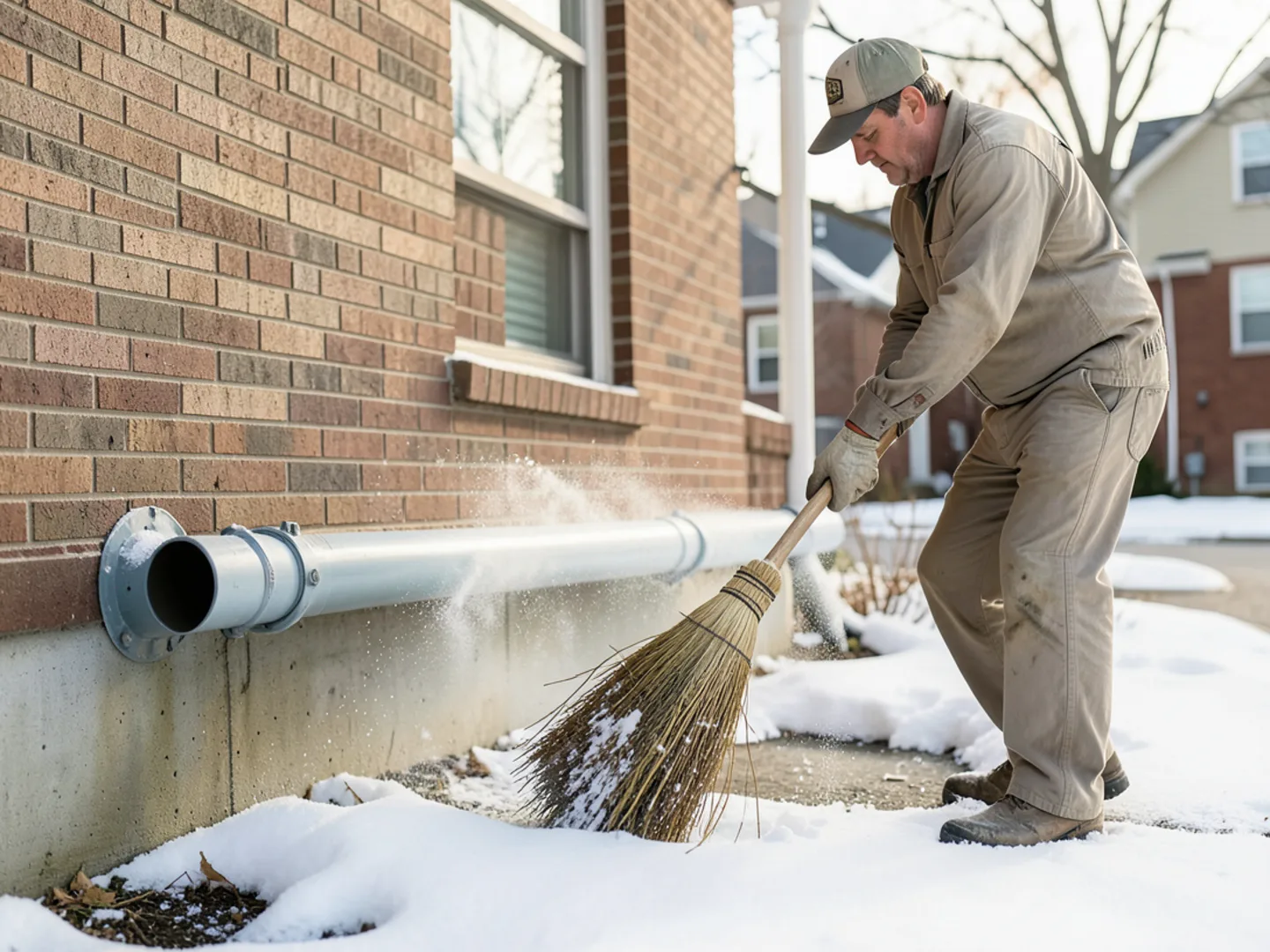
| Venting | Inspect exterior PVC flue pipes for drifting snow blockages | Never tape over or restrict furnace intake or exhaust pipes |
Step 5: What Happens When You Call Emergency Dispatch
When you contact our emergency intake line, the coordinator collects your address, confirms whether water pipes or vulnerable family members are at risk, and logs your furnace brand and error codes. We route your call immediately to an active, on-call independent local HVAC technician in your west suburban area. The technician arrives in a fully equipped service vehicle, diagnoses the root cause, presents an upfront written quote, and works to restore heat as swiftly as possible.
📚Sources & Technical References
- Cold Weather Safety Protocols— Wind chill and residential freeze vulnerability benchmarksNational Weather Service (NWS Chicago)
- Pipe Freeze Prevention Standards— Guidelines for faucet dripping and cabinet ventilationAmerican Red Cross
- Carbon Monoxide Home Safety— CO alarm deployment and heating appliance safetyU.S. Consumer Product Safety Commission (CPSC)
- Residential Heating Safety— Space heater clearances and emergency fuel shutoffsNational Fire Protection Association (NFPA 54)
Frequently Asked Questions
When outdoor temperatures are below 20°F, uninsulated pipes in exterior walls, basements, or crawlspaces can begin freezing in as little as 3 to 6 hours once indoor temperatures fall below 45°F.
Published by the Quality Heat and Air dispatch desk in Hinsdale, IL. Content is compiled from field diagnostics across Cook and DuPage counties, adhering to ACCA Manual J/S/D sizing criteria, Nicor Gas and ComEd energy efficiency guidelines, and local municipal mechanical codes.