
Furnace Not Turning On? Checks to Make Before You Call
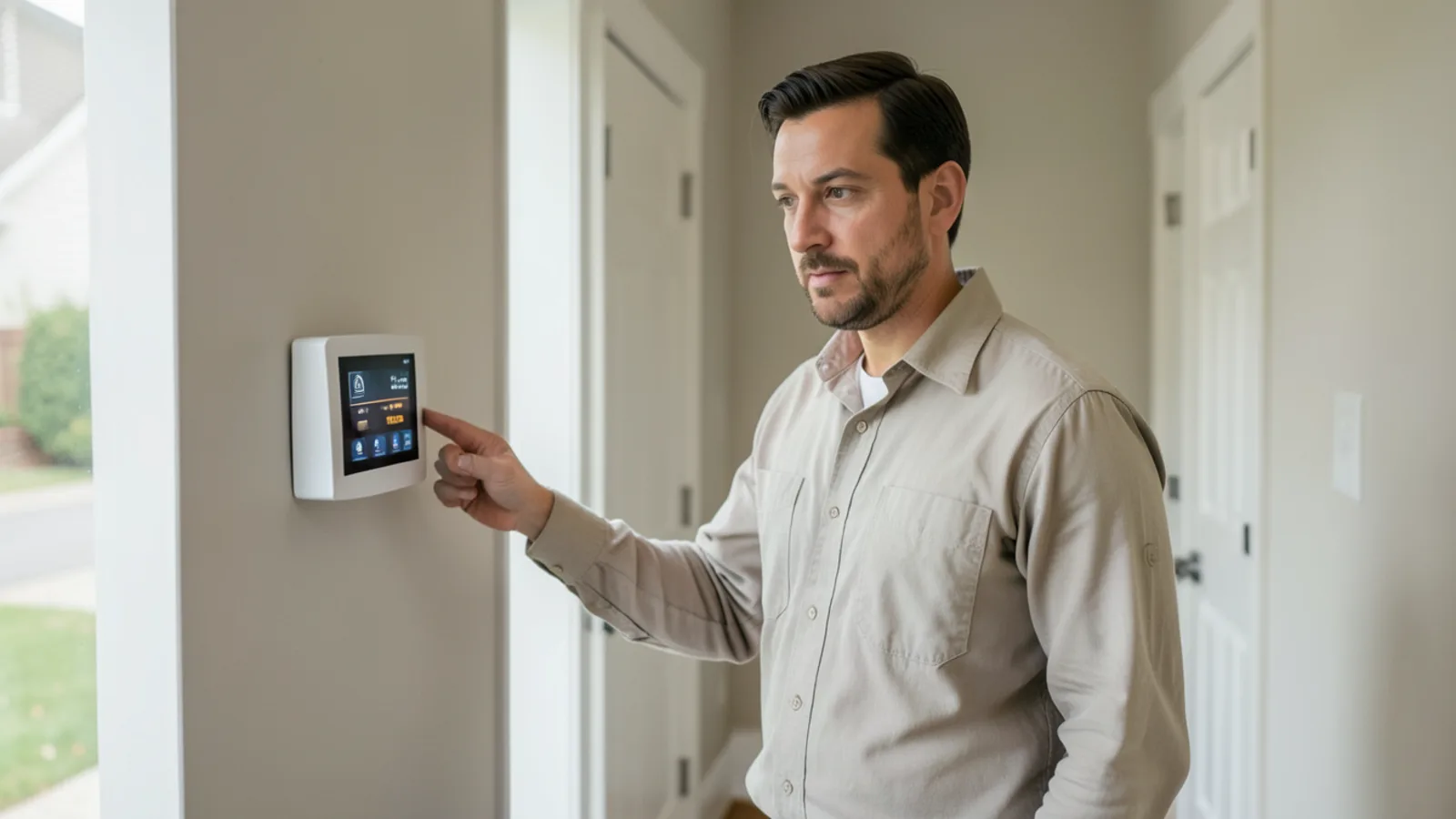
If your gas furnace is completely non-responsive, check these five primary causes before scheduling a service visit: ensure the thermostat is set to "Heat" above room temperature with fresh batteries, verify the emergency service switch on the furnace cabinet is "ON," reset the electrical circuit breaker once, check for a severely clogged air filter that tripped the high-limit switch, and inspect the control board viewing window for diagnostic LED flash codes indicating ignition lockouts.
It is a frustrating moment: you raise the thermostat setting, but hear only silence from your basement or utility room. A furnace that refuses to ignite can stem from a variety of causes, ranging from simple power disconnects to complex electronic control board lockouts. In many cases, homeowners can safely diagnose and resolve basic operational hurdles without needing tools or replacement parts. Here is a systematic guide to checking your furnace safely before calling a professional technician.
Call our Hinsdale dispatch line to connect with an independent heating or cooling contractor serving your west suburb today.
Check 1: Thermostat Settings, Power & Anticipator Signals
The thermostat is the command center of your HVAC system. First, confirm that the system switch is set firmly to "HEAT" and not "COOL" or "OFF." Verify that the fan switch is on "AUTO." Next, raise the temperature setpoint at least 4°F above the current displayed room temperature to trigger an immediate call for heat. If your thermostat uses batteries (even if hardwired to a C-wire), replace them with fresh alkaline batteries; weak batteries frequently fail to energize the low-voltage 24V heat relay.
Check 2: Emergency Shutoff Switches & Electrical Breakers
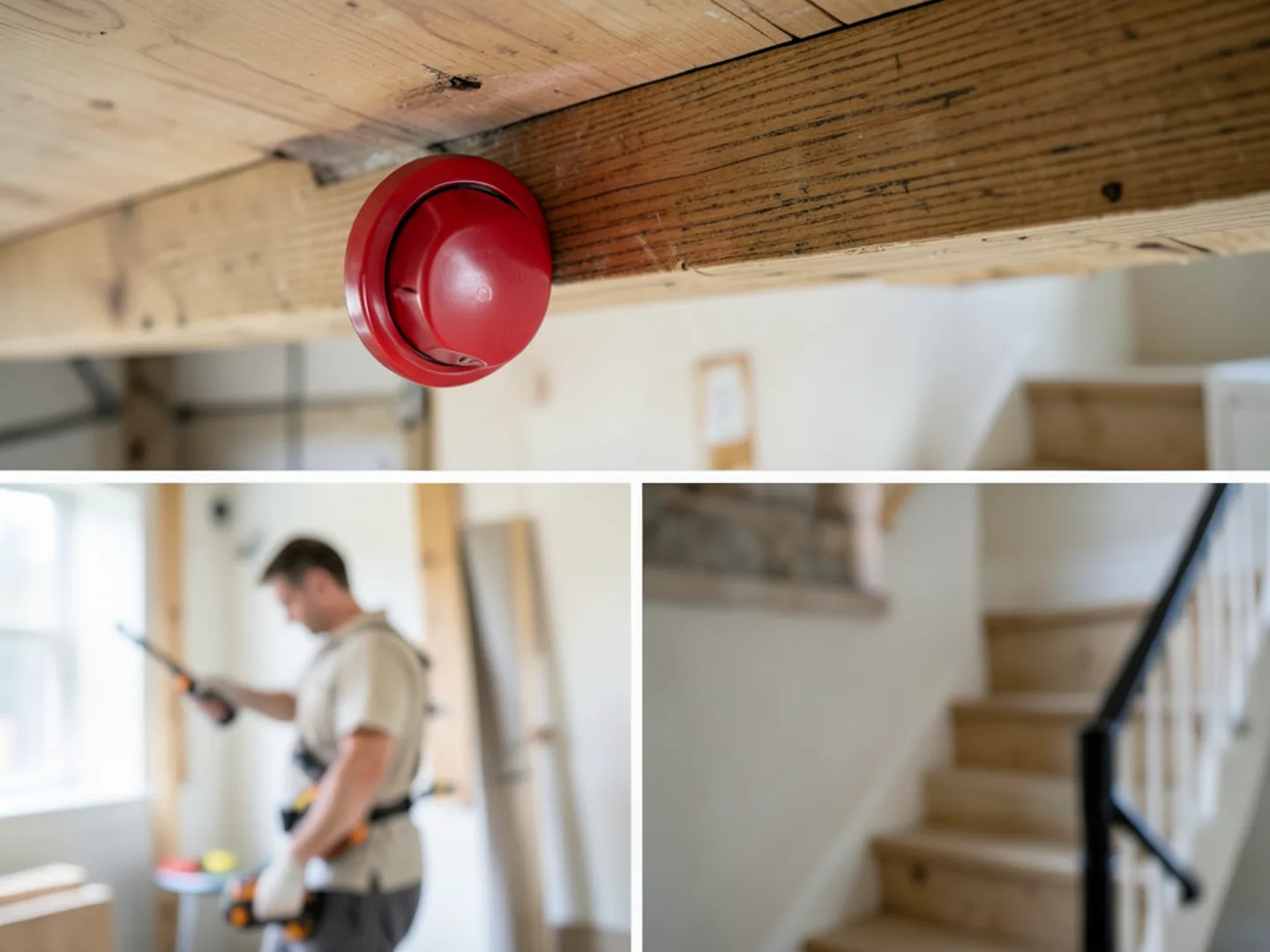
Gas heating systems are equipped with external electrical shutoffs designed for emergency isolation. Locate the switch on or near your furnace cabinet—often marked with a red faceplate or located at the top of the basement stairway. In many households, this switch is inadvertently flipped off by family members mistaking it for a basement light switch. Next, open your electrical breaker panel and verify the breaker has not tripped to a neutral center position. If tripped, push it firmly to "OFF," then switch back to "ON."
Check 3: Air Filter Restriction & High-Limit Safety Trips
A severely dust-clogged air filter is one of the most common causes of unexplained furnace shutdowns. When airflow through the blower is choked, internal temperatures inside the heat exchanger skyrocket within minutes. To prevent heat exchanger cracking, the internal high-limit safety switch trips, cutting power to the gas valve. While the switch will reset once the furnace cools, it will trip again almost immediately unless the dirty filter is replaced.
- ✓Turn off power to the furnace using the emergency switch.
- ✓Slide the existing filter out and hold it up to a light source. If no light passes through, replace it immediately.
- ✓Install a clean replacement filter, ensuring the airflow direction arrow points toward the blower cabinet.
- ✓Restore electrical power and allow the furnace 5 minutes to complete its startup sequence.
Check 4: Reading Diagnostic LED Codes on the Control Board
Modern electronic gas furnaces feature an integrated control board equipped with one or two small colored LED lights, visible through a small clear viewing glass on the lower blower door. When a furnace malfunctions, the LED flashes a specific repetitive sequence (like Morse code) that corresponds to a diagnostic fault code printed on the inside of the furnace panel.
| LED Flash Code Pattern | Probable Mechanical Cause | Recommended Action |
|---|---|---|
| Continuous Rapid Flashing | Reversed 120V polarity or poor ground connection | Requires technician electrical check |
| 1 Flash (or Solid OFF) | Furnace lock-out after 3 failed ignition tries | Reset power switch; clean flame sensor |
| 2 Flashes | Draft inducer pressure switch stuck closed | Check pressure switch tubing and wiring |
| 3 Flashes | Pressure switch open / blocked vent pipe | Check PVC vent pipes for snow/ice or leaves |
| 4 Flashes | Primary high-limit thermal switch open | Replace clogged air filter and check dampers |
| 5 Flashes | Flame sensed out of proper firing sequence | Gas valve leaking or faulty control board |
Check 5: Dirty Flame Sensors & 3-Second Ignition Lockouts
If your furnace begins its startup sequence—the inducer motor spins, the ignitor glows bright orange, the burners ignite with a whoosh, but shut down completely after 3 to 5 seconds—the problem is almost certainly an oxidized flame sensor. The flame sensor is a thin metal rod that sits in the path of the burner flame. Over time, microscopic silica carbon deposits coat the metal rod, preventing it from conducting the minute microamp electrical current required to prove the flame is safely burning. A professional technician can ultrasonically clean or replace this sensor in under 30 minutes.
📚Sources & Technical References
- Gas Furnace Sequence of Operation— Electronic ignition timing and safety switch thresholdsAir Conditioning Contractors of America (ACCA)
- Appliance Troubleshooting & Safety Guidelines— LED flash code diagnostics and limit switch protocolsCarrier Corporation Technical Support
- National Fuel Gas Code (NFPA 54)— Combustion safety requirements and gas valve clearancesNational Fire Protection Association
Frequently Asked Questions
While mechanically simple, the flame sensor sits inside the combustion chamber adjacent to high-voltage ignition leads and gas burner orifices. Because damaging the ceramic insulator or misaligning the rod can cause total ignition failure, having a trained technician clean and test the microamp signal is strongly recommended.
Published by the Quality Heat and Air dispatch desk in Hinsdale, IL. Content is compiled from field diagnostics across Cook and DuPage counties, adhering to ACCA Manual J/S/D sizing criteria, Nicor Gas and ComEd energy efficiency guidelines, and local municipal mechanical codes.